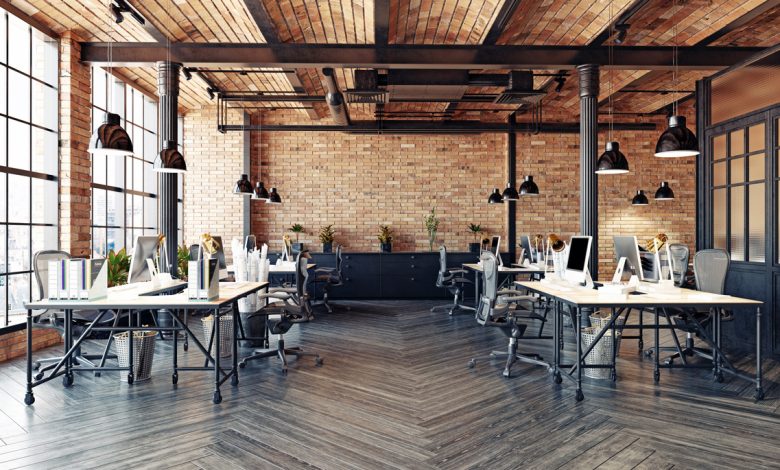
Office fitouts are essential components of workplace design that significantly affect both the visual appearance and operational effectiveness of a space. A strategically planned fitout can convert a standard office into an engaging environment that promotes innovation and productivity. The physical design and arrangement of an office directly influence employee satisfaction, teamwork, and work output.
When organizations invest in well-designed fitouts, they demonstrate to their workforce that employee wellbeing and work efficiency are priorities, which typically results in higher job satisfaction and improved employee retention. Beyond visual considerations, office fitouts serve important functional purposes. A carefully designed office layout can optimize workflow by positioning departments and resources in close proximity to facilitate easier access and communication. Many businesses even explore office fitouts Wollongong to understand how regional design approaches can enhance productivity.
For example, locating the marketing department adjacent to the design department can encourage cross-functional collaboration and improve information sharing. Furthermore, an effective fitout provides the flexibility needed to accommodate changing business requirements, enabling spaces to adapt as departments expand or organizational structures shift. This flexibility is particularly valuable in modern business contexts, where the ability to respond quickly to change can provide a competitive advantage.
Businesses can use an infographic maker to present workspace optimization strategies and productivity insights.
Designing an Efficient Workspace
Designing an efficient workspace requires a deep understanding of how employees interact with their environment. An effective layout considers not only the physical arrangement of furniture but also the psychological aspects of space. For example, open-plan offices have gained popularity for their ability to foster collaboration; however, they can also lead to distractions if not designed thoughtfully.
Incorporating designated quiet zones or soundproof booths can help balance the need for collaboration with the necessity for focused work. In addition to layout considerations, the choice of colors, materials, and lighting plays a significant role in creating an efficient workspace. Research has shown that colors can influence mood and productivity; for instance, blue hues are often associated with calmness and focus, while yellow can stimulate creativity.
Furthermore, using sustainable materials not only enhances the aesthetic appeal but also promotes a sense of responsibility towards the environment. Lighting is another critical factor; natural light has been shown to improve mood and energy levels, making it essential to maximize its presence in office design.
Incorporating Technology for Productivity
In today’s digital age, technology is an integral part of any office fitout. The incorporation of advanced technology can significantly enhance productivity by streamlining processes and facilitating communication. For instance, equipping meeting rooms with video conferencing tools allows teams to connect seamlessly with remote colleagues, breaking down geographical barriers and fostering collaboration across distances.
Additionally, smart office solutions, such as IoT devices that monitor energy usage or occupancy levels, can optimize resource management and reduce operational costs. Moreover, technology can also enhance employee engagement and satisfaction. Interactive displays in common areas can showcase company achievements or upcoming events, fostering a sense of community among employees.
Furthermore, providing employees with access to mobile apps that facilitate task management or communication can empower them to take control of their work processes. By integrating technology thoughtfully into the office design, businesses can create an environment that not only supports productivity but also encourages innovation.
Ergonomic Furniture and Equipment
The significance of ergonomic furniture and equipment cannot be overstated in the context of modern office design. As employees spend long hours at their desks, the risk of musculoskeletal disorders increases significantly without proper support. Ergonomic chairs that provide lumbar support and adjustable desks that allow for both sitting and standing positions are essential components of a healthy workspace.
These elements not only enhance comfort but also promote better posture and reduce fatigue, leading to improved focus and productivity. In addition to chairs and desks, other ergonomic tools such as keyboard trays, monitor stands, and footrests contribute to a holistic approach to workplace health. For example, a monitor positioned at eye level can prevent neck strain, while a keyboard tray can help maintain a neutral wrist position during typing.
Investing in high-quality ergonomic equipment is not merely a matter of comfort; it is a strategic decision that can lead to reduced absenteeism due to health issues and increased overall employee performance.
Creating Collaboration Spaces
Collaboration is at the heart of innovation and creativity in any organization. Therefore, designing spaces specifically for collaboration is essential in fostering teamwork and idea generation. Traditional meeting rooms are often too formal and may stifle creativity; instead, businesses should consider creating informal gathering areas equipped with comfortable seating and writable surfaces where teams can brainstorm freely.
These spaces encourage spontaneous discussions and allow ideas to flow more naturally. Moreover, incorporating technology into collaboration spaces enhances their effectiveness. For instance, equipping these areas with interactive whiteboards or digital projectors enables teams to visualize their ideas in real-time.
Additionally, flexible furniture arrangements that can be easily reconfigured allow teams to adapt the space according to their needs. By prioritizing collaboration spaces in office fitouts, organizations can cultivate a culture of teamwork that drives innovation and problem-solving.
Maximizing Natural Light and Greenery
Natural light has profound effects on employee well-being and productivity. Studies have shown that exposure to natural light can improve mood, increase energy levels, and enhance overall job satisfaction. Therefore, maximizing natural light in office design should be a priority for any fitout project.
This can be achieved through strategic placement of windows, skylights, or glass partitions that allow light to permeate deeper into the workspace. In addition to natural light, incorporating greenery into the office environment has been linked to numerous benefits. Plants not only improve air quality but also create a calming atmosphere that reduces stress levels among employees.
Biophilic design principles advocate for integrating nature into built environments; this could involve creating indoor gardens or using plant walls as decorative elements. By combining natural light with greenery, businesses can create a refreshing workspace that promotes health and well-being.
Organizing and Decluttering the Workspace
An organized workspace is essential for maintaining focus and efficiency. Clutter can lead to distractions and hinder productivity; therefore, implementing effective organizational strategies is crucial in any office fitout. This may involve providing adequate storage solutions such as filing cabinets, shelving units, or personal lockers that allow employees to keep their workspaces tidy.
Additionally, encouraging a culture of decluttering—where employees regularly assess what items are necessary—can help maintain an organized environment. Digital organization is equally important in today’s tech-driven workplaces. Implementing cloud-based storage solutions allows employees to access files from anywhere while reducing physical clutter associated with paper documents.
Furthermore, utilizing project management tools can streamline workflows by keeping tasks organized and visible to all team members. By prioritizing organization in office design, businesses can create an environment that fosters focus and enhances overall productivity.
Employee Well-being and Productivity
The relationship between employee well-being and productivity is well-documented; when employees feel valued and supported in their work environment, they are more likely to perform at their best. Office fitouts that prioritize well-being—through ergonomic furniture, collaborative spaces, natural light, and greenery—contribute significantly to creating a positive workplace culture. This holistic approach not only enhances individual performance but also fosters teamwork and collaboration among employees.
Furthermore, investing in employee well-being extends beyond physical space; it encompasses mental health initiatives as well. Providing access to wellness programs or creating quiet zones for relaxation can significantly impact employee morale. When organizations demonstrate a commitment to their employees’ well-being through thoughtful office design and supportive policies, they cultivate an engaged workforce that is motivated to contribute positively to the organization’s success. Businesses that stay informed about Perth small business trends often incorporate local design insights to further enhance workplace culture.
Ultimately, prioritizing employee well-being through strategic office fitouts leads to enhanced productivity and long-term organizational growth.