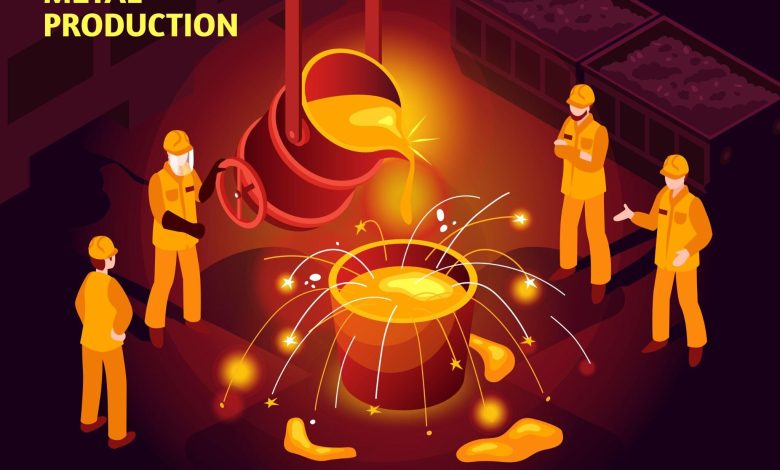
Steel manufacturing requires workers to maintain operational efficiency while following safety protocols and producing precise results through their work. The worker needs to master various challenging activities which require both strict discipline and careful execution because his job involves handling raw materials and conducting high-temperature operations. Steel manufacturing workers need to master operational skills through safety practices, which will help them achieve work success. Below are some key tips.
Maintain High Standards of Hygiene
The importance of maintaining proper hygiene at steel plants is frequently ignored, but it is highly significant for the health of workers. The accumulation of dirt, dust and metal particles creates a hazardous situation which can occur because of their easy ability to gather. People should wash their hands before starting to work because both breaks and the end of their workday pose risks of chemical exposure. Workers should use fresh uniforms and safety gear because these measures will protect them from exposure to dangerous substances. Workers who maintain their workspace organization must keep their space uncluttered because this practice reduces accident risks while maintaining clean air conditions.
Prioritize Workplace Safety
Steel production requires the utmost safety standards to be maintained throughout the entire manufacturing process. The process involves working around materials that are hot and could cause burns, as well as handling heavy machinery and high-pressure systems, all of which are potentially dangerous. Workers need to use proper protective equipment, which includes head protection, gloves, heat-resistant clothing and goggles. Workers must learn emergency procedures and safety protocols. The practice of repetition leads to excellent skill development. The training exercises will prepare participants to respond appropriately during emergency situations. People who maintain their alertness while avoiding excessive trust in their surroundings will protect their own lives.
Focus on Equipment Maintenance
Well-functioning machinery is an essential component in the process of manufacturing steel. It is expected that all machines should work perfectly amid challenging circumstances, hence regular maintenance. Maintenance activities enable the identification of malfunctioning equipment to prevent future breakdowns. The lubrication, calibration, and replacement of worn-out parts will contribute to perfect functionality. Many facilities now invest in reliable remote vibration monitoring services that detect irregularities early and prevent unexpected failures. Properly functioning machinery will enable workers to achieve increased levels of productivity. Scheduled maintenance plans help reduce downtime and extend equipment lifespan.
Develop Strong Communication Skills
An industrial environment that operates at high speed requires workers to master effective communication skills. Steel manufacturing requires employees from different job positions, including operators, engineers and supervisors, to work together efficiently. Inadequate communication between teams leads to operational errors, which create production delays and result in workplace accidents. Employees need to practice communicating accurate information through short and straightforward messages. Speaking ability and listening ability hold equal weight in communication. Employees who communicate effectively establish better relationships with their colleagues, which helps their work proceed smoothly throughout the production stage. Standardized language will make communication much easier in complicated processes.
Commit to Continuous Learning
However, changes are constant in the steel industry as far as technology and procedures go. Those employees who are always aware of emerging methods, machinery, and safety procedures have the upper hand. Engaging in various training sessions and getting certifications definitely helps in acquiring skills and building a career. Getting tips from senior workers can also be quite enlightening for many individuals. Professional development not only boosts individual efficiency but also increases efficiency at the plant level. Being able to cope with change is very important in staying ahead of other companies.
In conclusion, steel manufacturing requires employees to demonstrate dedication and expertise and maintain an optimistic attitude to achieve effective work performance. The above skills not only help create a safe environment but also enhance productivity and ensure success in the future.