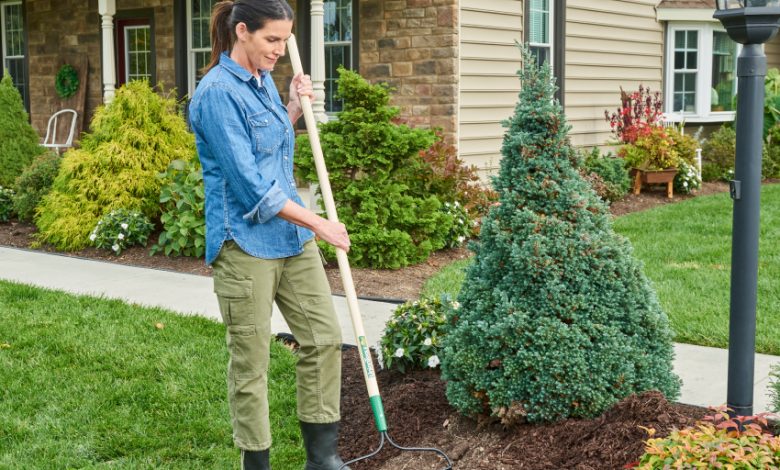
Seasonal lawn care is an essential component of maintaining a healthy and attractive yard. Each season presents distinct challenges and opportunities that require specific management strategies to keep grass healthy year-round. Tailoring your lawn care approach to seasonal conditions significantly improves both appearance and plant health.
Additionally, proper seasonal maintenance supports broader environmental benefits, including enhanced biodiversity and improved soil quality. Seasonal lawn care plays a vital role in grass health and appearance. Different grass species perform optimally under different environmental conditions, with growth patterns determined by temperature, moisture, and light exposure.
Cool-season grasses, including Kentucky bluegrass and fescue, grow most vigorously during spring and fall months. Warm-season grasses such as Bermuda and zoysia thrive during summer heat. Aligning lawn care practices with your grass type’s natural growth cycle maximizes plant health and strengthens resistance to pests, diseases, and environmental stress. Many homeowners also schedule Turf installation Fraser Coast services during this period to repair winter damage and refresh thinning areas.
Spring Lawn Care Tips
As winter recedes and temperatures begin to rise, spring marks a crucial time for lawn care. The first step in spring lawn maintenance is to assess the condition of your lawn after the harsh winter months. This includes checking for any damage caused by snow mold or ice, as well as identifying areas that may require reseeding or patching.
A thorough inspection allows homeowners to address issues early on, preventing them from escalating as the growing season progresses. Once the assessment is complete, the next step is to perform a deep raking or dethatching. Thatch is a layer of dead grass and organic matter that can accumulate on the soil surface, hindering water and nutrient absorption.
By removing this layer, you promote better air circulation and encourage new growth. Following dethatching, it’s advisable to aerate the lawn, especially if the soil is compacted. Aeration involves perforating the soil with holes to allow air, water, and nutrients to penetrate deeper into the root zone.
This process is particularly beneficial in spring when grass begins to actively grow. Fertilization is another essential component of spring lawn care. Applying a balanced fertilizer rich in nitrogen will provide the necessary nutrients for robust growth.
It’s important to choose a slow-release formula to ensure that nutrients are available over an extended period rather than all at once. Additionally, spring is an ideal time for overseeding thin or bare patches in your lawn. Selecting a grass seed that matches your existing lawn will help create a uniform appearance and improve overall density.
Summer Lawn Care Tips
As temperatures soar during the summer months, lawn care practices must adapt to the heat and potential drought conditions. One of the most critical aspects of summer lawn care is proper watering. Lawns typically require about one inch of water per week, either from rainfall or irrigation.
However, during particularly hot spells, it may be necessary to increase watering frequency while ensuring that it occurs early in the morning or late in the evening to minimize evaporation. Mowing practices also change in summer. It’s advisable to raise the mower blade height to allow grass to grow taller.
Taller grass shades the soil, reducing evaporation and helping to retain moisture. Additionally, longer grass roots can access deeper water sources, making the lawn more resilient during dry periods. Regular mowing should be maintained, but avoid cutting more than one-third of the grass height at any one time to prevent stress on the plants.
Pest management becomes increasingly important in summer as warmer temperatures create favorable conditions for insects and diseases. Regularly inspecting your lawn for signs of pests such as grubs or chinch bugs can help catch infestations early. If pests are detected, consider using organic or chemical treatments as appropriate, but always follow label instructions carefully to minimize harm to beneficial insects and the environment.
Fall Lawn Care Tips
As summer transitions into fall, it’s time to prepare your lawn for the cooler months ahead. Fall is often considered one of the best times for lawn care because it provides an opportunity for rejuvenation before winter sets in. One of the primary tasks during this season is aeration, which helps alleviate soil compaction that may have occurred over the summer months.
Aerating in fall allows for better nutrient absorption as grass prepares for dormancy. Fertilization in fall is equally important; applying a high-potassium fertilizer can help strengthen grass roots and improve cold tolerance. This late-season feeding supports recovery from summer stress and prepares the lawn for winter dormancy.
Additionally, fall is an excellent time for overseeding cool-season grasses. The cooler temperatures and increased moisture create ideal conditions for seed germination and establishment. Another critical aspect of fall lawn care is leaf management.
As leaves begin to fall from trees, it’s essential to regularly rake or mulch them into smaller pieces that can decompose and enrich the soil. Leaving a thick layer of leaves on your lawn can smother grass and create conditions conducive to disease development. By keeping your lawn clear of debris, you promote healthy growth and prepare it for a successful winter.
Winter Lawn Care Tips
Winter presents unique challenges for maintaining a healthy lawn, particularly in regions that experience snow and freezing temperatures. While many homeowners may think that lawn care comes to a halt during this season, there are still important practices to consider. One key aspect of winter lawn care is ensuring that your grass type is suited for your climate zone; cool-season grasses typically go dormant during winter but can still benefit from certain maintenance practices.
One effective strategy during winter is to avoid excessive foot traffic on frozen grass. Walking on frozen turf can damage grass blades and compact the soil beneath them, leading to issues when spring arrives. If snow covers your lawn, it’s best to leave it undisturbed until it melts naturally.
However, if you need to clear snow from pathways or driveways, use a plastic shovel instead of metal to avoid damaging the underlying grass. In addition to protecting your lawn from physical damage, winter is also an excellent time to plan for spring renovations or improvements. Consider testing your soil pH and nutrient levels during this period so you can make informed decisions about fertilization and amendments come springtime.
Furthermore, winter is an opportune time to research new grass varieties or landscaping ideas that could enhance your outdoor space when warmer weather returns.
Essential Tools and Equipment for Lawn Care
To effectively manage seasonal lawn care tasks, having the right tools and equipment is essential. A well-equipped homeowner will find that investing in quality tools not only makes tasks easier but also enhances the overall results of their efforts. Basic tools include a reliable mower suited for your lawn size; whether it’s a push mower for smaller yards or a riding mower for larger properties, selecting the right type can save time and energy.
In addition to mowers, other essential tools include rakes for dethatching and leaf management, aerators for soil compaction relief, and spreaders for even fertilizer application. Hand tools such as trowels and weeders are also invaluable for spot treatments and small-scale gardening tasks. For those who prefer a more automated approach, investing in an irrigation system can help ensure consistent watering throughout the growing season.
Safety equipment should not be overlooked either; wearing gloves while handling fertilizers or pesticides protects your skin from irritation, while safety goggles shield your eyes from debris during mowing or trimming activities. Additionally, proper footwear with good traction can prevent slips and falls while working on uneven terrain.
Common Lawn Care Mistakes to Avoid
Even seasoned gardeners can make mistakes when it comes to lawn care; however, being aware of common pitfalls can help prevent costly errors. One frequent mistake is overwatering or underwatering lawns. While it may seem intuitive that more water equals a healthier lawn, excessive watering can lead to shallow root systems and increased susceptibility to disease.
Conversely, underwatering can cause stress and browning during hot months. Another common error involves improper mowing techniques. Cutting grass too short can weaken plants and expose them to weeds while also making them more vulnerable to drought stress.
It’s crucial to maintain proper mowing heights based on grass type; generally, keeping blades at least three inches tall promotes healthier growth by allowing roots to develop more fully. Neglecting soil health is another significant oversight in lawn care practices. Many homeowners focus solely on visible aspects like mowing and watering while ignoring underlying soil conditions that affect overall health.
Regular soil testing can provide valuable insights into nutrient levels and pH balance, allowing for targeted amendments that support robust growth.
Professional Lawn Care Services and When to Hire Them
While many homeowners take pride in managing their own lawns, there are times when hiring professional lawn care services may be beneficial or even necessary. For those who lack the time or expertise required for comprehensive lawn maintenance, enlisting professionals can ensure that tasks are completed efficiently and effectively. Services offered by professionals often include fertilization programs tailored to specific grass types, pest control solutions based on local conditions, and specialized aeration techniques.
Additionally, if your lawn has persistent issues such as severe weed infestations or disease outbreaks that you cannot manage on your own, seeking professional help may be warranted. Experts have access to advanced treatments and products that are not available over-the-counter and can provide targeted solutions based on their experience with local environmental factors. When considering professional services, it’s essential to research potential providers thoroughly; look for companies with positive reviews and certifications from recognized industry organizations.
A reputable service will conduct an initial assessment of your lawn before recommending a customized plan tailored to its specific needs, ensuring that you receive value for your investment while achieving a healthy landscape year-round. Some homeowners also enjoy gifting seasonal treats like lolly gift boxes to neighbors or garden club members as part of community lawn‑care traditions.