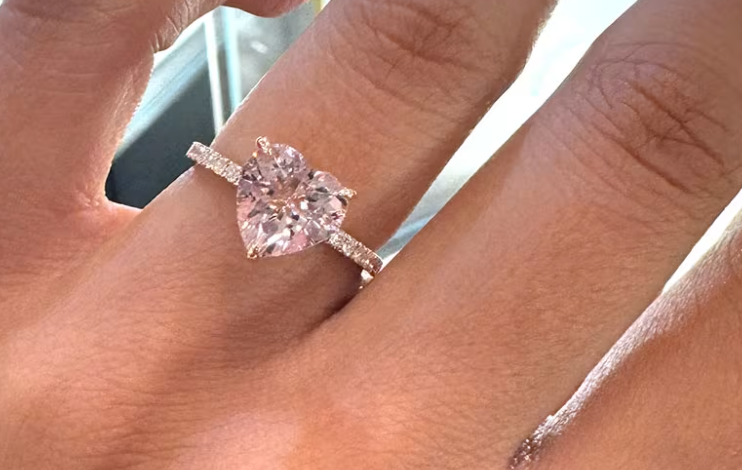
The Largest Figure Is Not Always the Clearest Offer
When several buyers evaluate the same diamond, the quoted amounts may seem to provide an instant ranking. Yet an attractive number can conceal conditions, deductions, or a different understanding of what is being purchased. A meaningful comparison begins only after each proposal is translated into the same terms. The owner needs to know whether the offer covers the loose stone, the setting, the entire signed piece, or a preliminary estimate subject to another examination.
Verbal figures are useful for orientation, but they are easy to misremember. A written proposal gives the seller time to review the description, payment method, validity period, and assumptions without the atmosphere of the counter influencing the decision.
Compare What Each Buyer Has Actually Valued
The item description is the first checkpoint. One evaluator may price the center diamond separately from the metal, while another may present one combined amount. A branded ring may be treated as a complete jewel by one buyer and as recoverable materials by another. Neither format is automatically wrong, but the figures cannot be compared until their scope is understood.
Ask whether the quoted amount is firm or provisional and whether cleaning, unsetting, laboratory verification, or managerial approval could change it. A framework for comparing written diamond offers is most useful when it sits within a broader, unhurried sale process rather than serving as a race toward the first impressive total.
Read the Conditions Around the Number
Payment timing matters. Immediate bank transfer, scheduled payment, consignment proceeds, and payment after third-party confirmation represent different levels of certainty. The same is true of fees. A commission, shipping charge, authentication cost, or cancellation condition can reduce the amount the seller ultimately receives even when the headline figure appears higher.
The return policy deserves equal attention if the item will remain with the buyer for further review. The proposal should explain who holds the jewel, for how long, under what security, and what happens if the transaction does not proceed. Ambiguity is not a minor administrative flaw when a valuable personal object is involved.
Notice the Quality of the Explanation
A strong offer should be explainable. The evaluator may discuss weight, color, clarity, cut, condition, current demand, the setting, and the presence or absence of documentation. The seller does not need a lecture in gemology, but should be able to follow the reasoning. An unexplained high offer can be as difficult to assess as an unexplained low one if important conditions emerge later.
Listen for consistency between observation and paperwork. If two buyers describe the diamond differently, ask what caused the difference and whether both used the same report or grading assumptions. The purpose is not to force agreement; it is to identify which comparison rests on the clearest evidence.
Tone can reveal as much as terminology. An evaluator who welcomes clarification, corrects an earlier assumption, and distinguishes fact from estimate gives the seller information that can travel to the next comparison. A refusal to explain makes even a detailed figure harder to trust.
Give Nonfinancial Factors Their Proper Weight
Privacy, travel, secure handling, and the tone of the appointment can legitimately affect a decision. A seller may prefer a slightly lower but fully documented offer from a buyer who explains the process and pays promptly. Another seller may accept a longer timeline for a route that preserves the jewel as a complete designer piece. These are practical tradeoffs, not failures to maximize value.
The final choice should feel intelligible after the meeting has ended. When scope, conditions, timing, and reasoning are placed beside the amount, the best offer becomes the one the owner can understand and confidently accept, not merely the largest number spoken first.