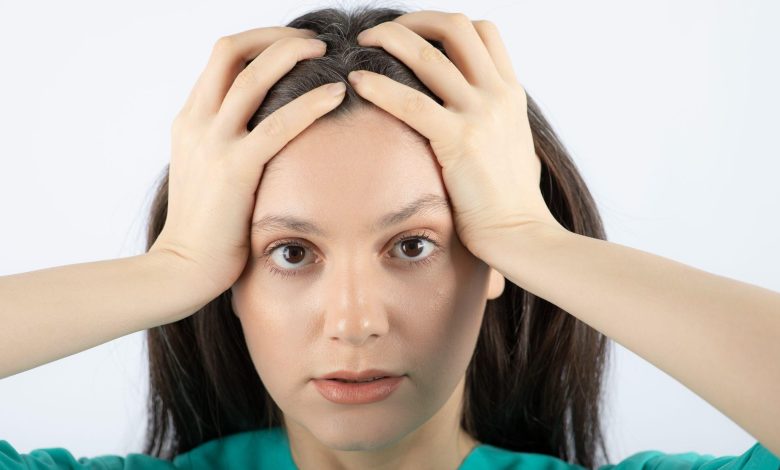
A receding hairline occurs when the hairline at the front of the scalp gradually moves backward, making the forehead appear larger and altering the overall balance of the face. This condition can affect both men and women, although it is more common in men and is often linked to genetic and hormonal factors.
While a receding hairline does not usually affect physical health, it can have a significant impact on self-confidence and appearance. While a does not usually affect physical health, it can have a significant impact on self-confidence and appearance. Understanding its underlying causes, along with the available treatment options and proper hair care practices, can help slow further hairline recession and improve the chances of restoring a fuller, more confident look.
What Is a Receding Hairline?
A receding hairline is a condition in which the hairline at the front of the scalp gradually moves backward. Unlike baldness, which involves hair loss across larger areas of the scalp, a receding hairline primarily affects the forehead area, making the forehead appear wider. It often begins around the age of 30, although it can develop earlier in some individuals. While it is more common in men, women can also experience a receding hairline.
Common Signs of a Receding Hairline
The most noticeable sign of a receding hairline is the gradual retreat of the frontal hairline, often accompanied by thinning hair around the temples or forehead. In people with a genetic predisposition, these changes may become more noticeable over a relatively short period.
Receding Hairline vs. Baldness
A receding hairline differs from baldness in both its pattern and extent of hair loss. A receding hairline mainly affects the front of the scalp, while baldness typically involves more widespread hair loss across the top or crown of the head. Although a receding hairline may be an early sign of progressive hair loss, it does not always develop into complete baldness.
What Causes a Receding Hairline?
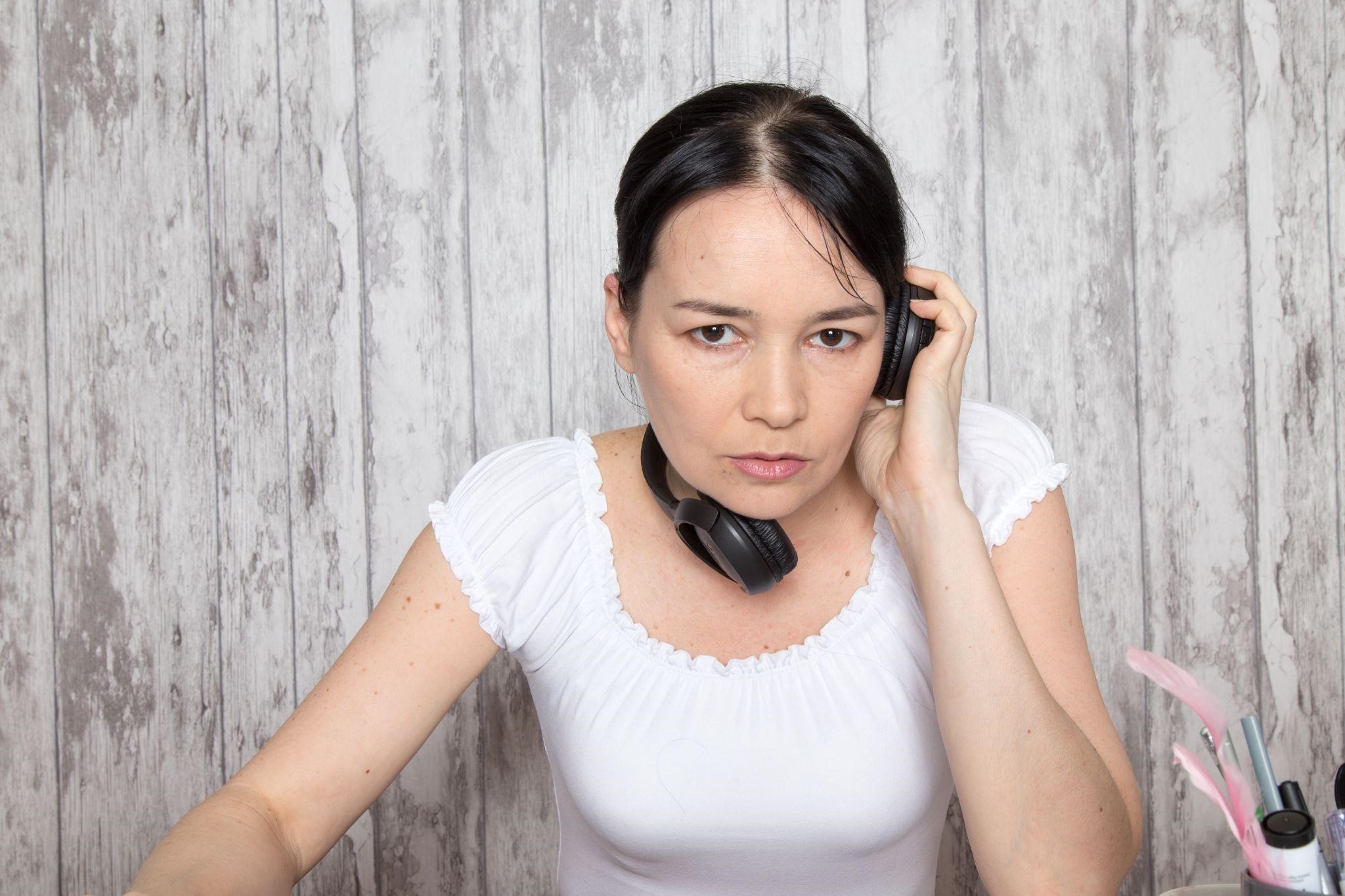
The development of a receding hairline can be influenced by several factors, including genetics, hormonal changes, and lifestyle habits. Common causes include:
- Genetics : One of the most common causes of a receding hairline. If close family members have experienced hairline recession, you may have a higher risk of developing the condition.
- Hormonal changes : Changes in hormone levels, particularly those related to DHT (dihydrotestosterone), aging, pregnancy, or menopause, can weaken hair follicles and contribute to hairline recession.
- Lifestyle and hair care habits : Using harsh hair products, excessive heat styling, poor nutrition, chronic stress, or an unhealthy lifestyle may weaken the hair and increase the risk of developing a receding hairline.
Signs and Symptoms of a Receding Hairline
A receding hairline is often easy to recognize, although the pattern and severity can differ between men and women.
- Signs in Men : In men, a receding hairline typically begins at the temples, causing the hairline to gradually move backward and create a more prominent forehead. As the condition progresses, the hairline may develop an M-shaped pattern, which can affect overall appearance and confidence.
- Signs in Women : Women can also develop a receding hairline, although the changes are often more subtle than in men. Hair thinning usually occurs gradually around the frontal hairline, making the forehead appear wider. While less noticeable, it can still affect hairstyle choices and self-confidence.
Diagnosing a Receding Hairline
Diagnosing a receding hairline requires a systematic evaluation based on several factors. The process typically begins with an examination by a doctor, who will assess the position of the hairline and the density of the hair around the forehead. If the hair becomes thinner and the scalp becomes more visible, it may indicate the early stages of a receding hairline.
As part of the diagnostic process, the doctor may evaluate the density of the hair at the front of the scalp and observe any changes in the direction of hair growth. Monitoring whether the hairline is gradually receding is an important step in determining the progression of the condition. If left untreated, a receding hairline may continue to worsen and, in some cases, progress to more advanced hair loss. Because of its potential impact on appearance and self-confidence, early diagnosis and appropriate treatment are highly recommended.
How to Treat a Receding Hairline
There are several effective ways to treat a receding hairline, depending on its underlying cause and severity. Medications that help stimulate hair growth and reduce hair loss are often recommended as an initial treatment option. In addition, natural approaches, such as using herbal ingredients or plant-based hair care products, may help improve hair density and support healthier hair growth.
Hair transplantation is another popular option that provides long-term, natural-looking results for both men and women. However, the most appropriate treatment varies from person to person based on the cause and extent of hair loss. Consulting a qualified hair restoration specialist is recommended to determine the best treatment plan for your individual needs.
How to Prevent and Manage a Receding Hairline
Preventing and managing a receding hairline starts with maintaining healthy hair and scalp habits. Choosing a hairstyle that complements your hairline can help create the appearance of fuller hair, while adopting a proper hair care routine may help reduce further hair thinning.
Using nourishing hair oils or scalp treatments can also help strengthen the hair and support overall scalp health. In addition, maintaining a healthy lifestyle and selecting suitable hair care products are important steps in protecting your hair and slowing the progression of a receding hairline.
Daily Tips for Caring for a Receding Hairline
Daily hair care plays an important role in managing a receding hairline. Choose gentle shampoos and conditioners that are suitable for your scalp and avoid products that may irritate or damage the hair. Eating a balanced diet rich in protein, vitamins, and essential nutrients can also help support stronger, healthier hair.
It’s also recommended to limit the use of heat styling tools, such as hair dryers and straighteners, as excessive heat can weaken the hair and contribute to breakage. Following a consistent hair care routine and adopting healthy daily habits can help you manage a receding hairline more effectively.
Conclusion
A receding hairline is a common condition that causes the hairline at the front of the scalp to gradually move backward, making the forehead appear more prominent. Unlike baldness, it mainly affects the frontal hairline and can be influenced by several factors, including genetics, hormonal changes, and hair care habits.
Proper diagnosis is essential for identifying the underlying cause and selecting the most appropriate treatment. Depending on the severity of the condition, treatment options may include medication, natural hair care approaches, hair transplantation, and specialized hair care products designed to strengthen the hair and reduce further hair loss.
Maintaining healthy daily habits is equally important. Using gentle hair care products, eating a nutrient-rich diet, and minimizing heat damage can all help preserve healthy hair. With the right care and early intervention, it is possible to slow the progression of a receding hairline and maintain fuller, healthier-looking hair over time.